Anthony Bourdain, Commercial Real Estate, and Miami’s Cultural Ecosystem
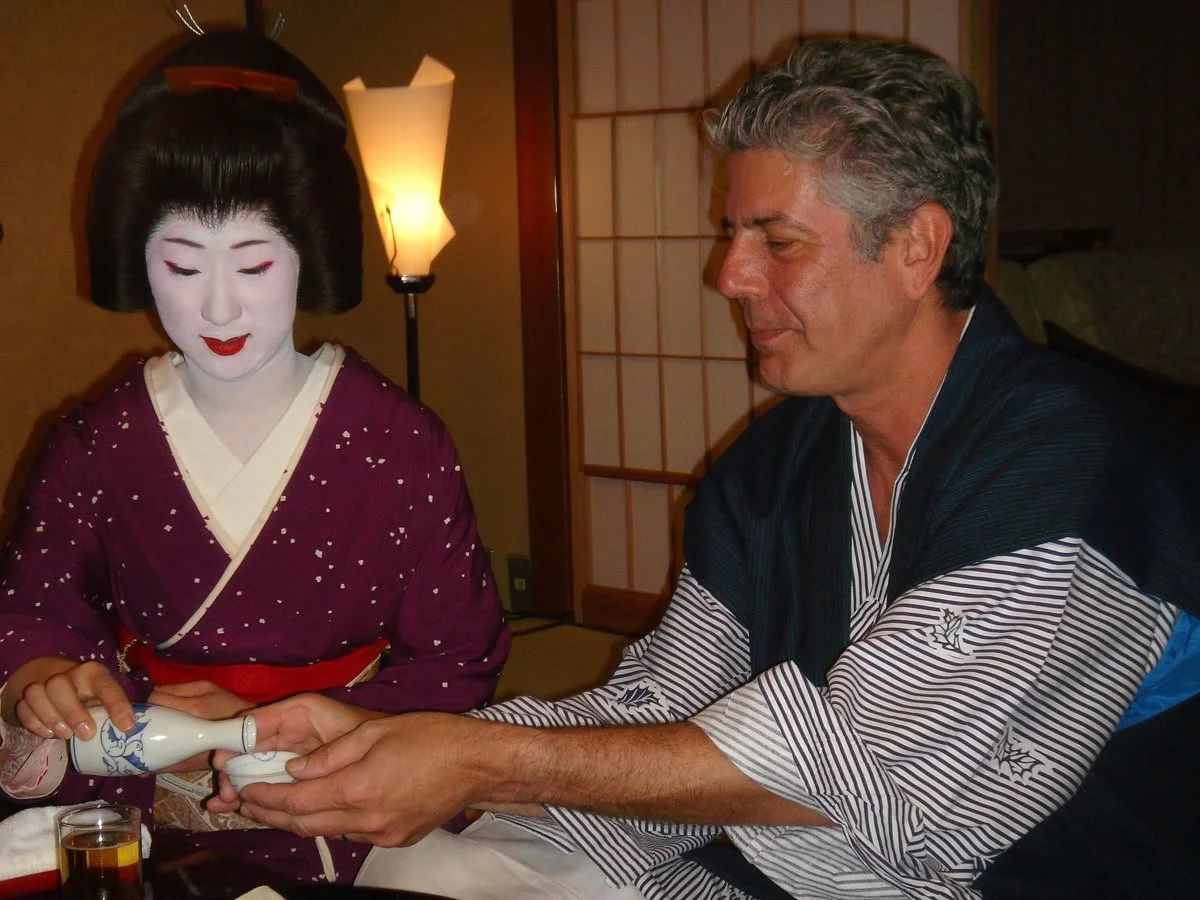
Bourdain in Japan C/O Travel Channel
Circa 2005. I’m sitting in the middle seat of a JetBlue flight from Washington-Dulles to Fort Lauderdale. My mom is next to me, visibly horrified by whatever is unfolding on the tiny television embedded in the headrest in front of her.
Who is this strange, grey-haired man, and why is he eating a guinea pig?
Mind you, this was a totally different time. Instagram was still about a decade away from its inception, and we were another five years from the emergence of influencer-ism. People largely lived within their own bubbles, and perpetual global travel was anything but ubiquitous. Needless to say, Anthony Bourdain was ahead of his time.
For the most part, Bourdain made a point of experiencing the most fringe aspects of a culture through the lens of gastronomy. Whether it was a beating viper heart in Vietnam, sheep testicles in Morocco, or raw seal eyeballs in Canada, nothing was off the table in No Reservations. Of course, the shock value made for great TV, but his willingness to eat whatever was put in front of him was rooted in something more genuine: Hospitality; and the idea that when somebody invites you into their home and offers you a meal, you accept.
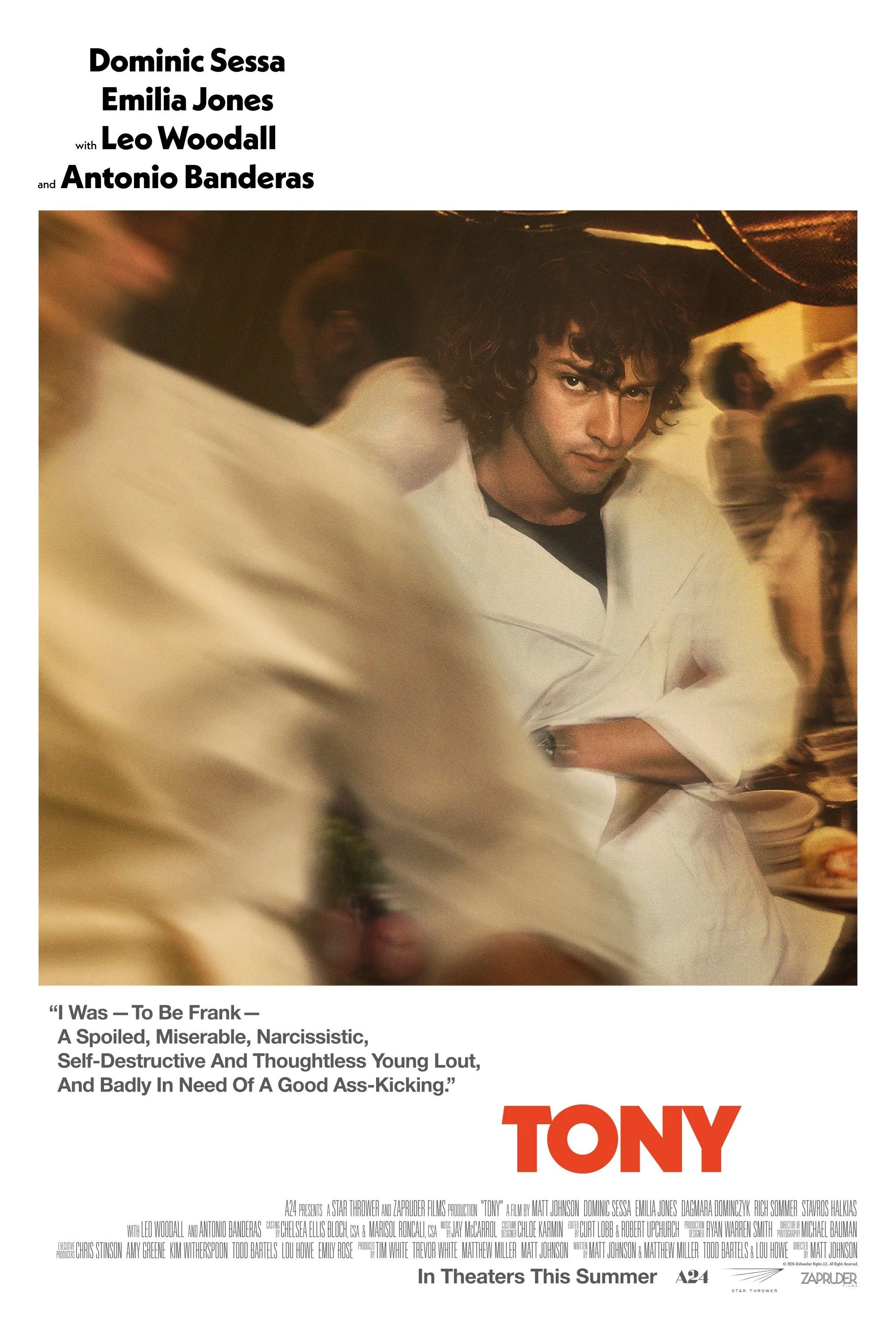
Tony Box Office Cover. C/O A24
Flash forward to 2026, and Bourdain seems to be everywhere again. Tony, the new A24 film about his formative years working in Provincetown kitchens (amazing btw), arrived in theaters this summer. Around the same time, I happened to reencounter No Reservations. It was the eve of my dad’s 76th birthday. My sister had finally convinced my two year old nephew that playtime (shrieking time) was over, and the rest of us finished the night in front of the television. After the customary twenty minutes of scrolling through streaming services, I noticed something on Hulu: Anthony Bourdain: No Reservations, Season 1.
Paris. Iceland. Peru. Miami?
click
The South Florida episode originally aired in 2006, during the early run of the show. In it, Bourdain explores a South Florida that feels simultaneously familiar and completely different. There’s Chef Creole in Little Haiti, an airboat ride through the Everglades, El Rey de las Fritas in Little Havana, The Raleigh Hotel’s iconic pool in South Beach, and, of course, Mac’s Club Deuce on 14th Street. The Deuce is almost comically antithetical to the Miami Beach of today. It’s dark, smoky, cash-only, and occupies a relatively modest storefront between Washington and Collins Avenue - which is surrounded by some of the most valuable real estate in the country. Apart from its cameo in Season 1 of No Reservations, Mac’s notably celebrated its 100th anniversary in September.
A hundred years is no small feat in any city, much less Miami. In that time, the city has transformed from mangrove and sand into a resort town, and weathered Prohibition as rum runners ferried liquor in from the Bahamas. Miami has boomed, busted, fell into depression, built one of the largest collections of Art Deco architecture in the world (and nearly demolished most of it), rediscovered itself, became internationally famous, survived Category 5 hurricanes, and eventually grew to be one of the most expensive real estate markets in the world.
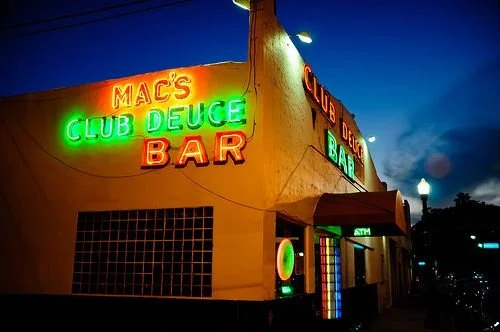
Mac’s Club Deuce on 14th Street in Miami Beach. C/O Mac’s Club Deuce
Watching Bourdain visit the Deuce and the other businesses featured during his stay sent me down a rabbit hole: Which of these places are still open? While many featured in the episode still are, their institutional status has definitely protected them. Also, some of the featured businesses are currently in a grey area - The Raleigh is currently closed and under construction, but is set to open in the next few years under the Rosewood luxury umbrella. Funnily enough, its redevelopment has had its own share of twists. In 2025, Nahla Capital acquired the property from SHVO and its partners for $270 million. Prior to the sale, the penthouse of the planned residences was actually being marketed for $150 million
Back to my rabbit hole findings. While institutions have mostly been able to stay open, restaurant closures as a whole seem to have surged. Stiltsville, Sardinia, and Icebox Cafe in Sunset Harbour; Jaguar Sun in Downtown; Grand Central in MiMo; and countless others have recently closed their doors. Of course, restaurants closing is nothing new. Restaurants (and hospitality as a whole) is a notoriously difficult business, and Miami is a particularly competitive market. But closing because you can’t fill tables is one thing; having to close when you can barely get a table is another.
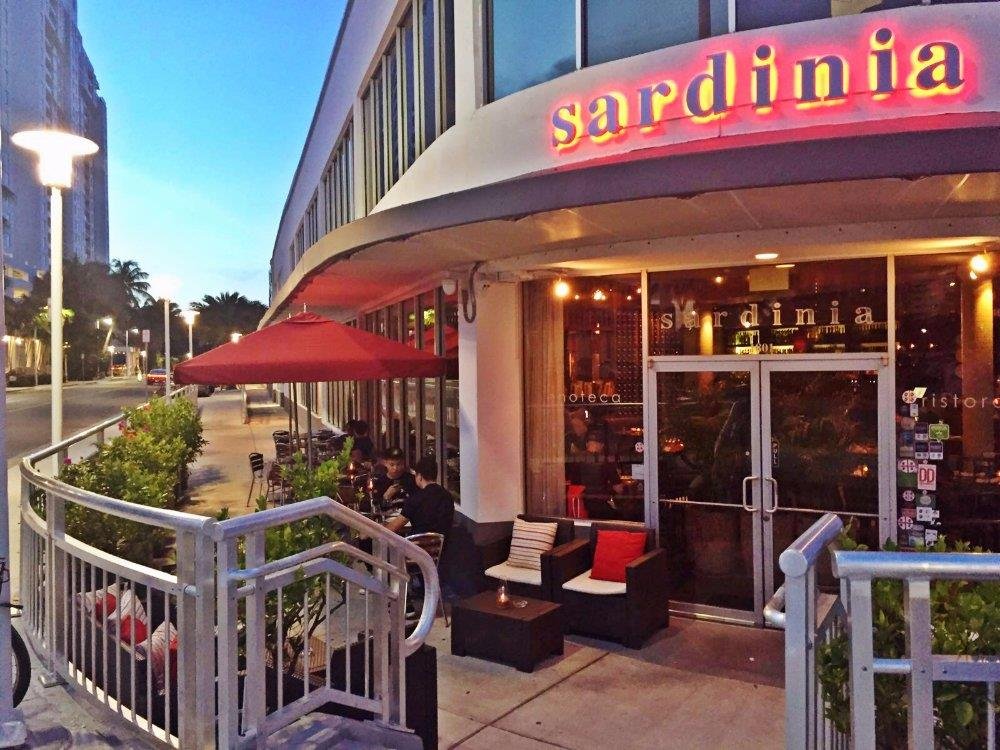
Sardinia in Sunset Harbour, now closed. C/O Ineventos
That got me thinking, what’s actually going on? For starters, commercial real estate has become absurdly expensive. Commercial real estate operates on a different clock than residential real estate. An apartment lease might be renegotiated every year, while a commercial lease can commonly run for 5+ years. With that being said, a lot of businesses that recently closed may have been operating under the pre-COVID economics of a completely different version of Miami.
Imagine a 2,000-square-foot restaurant that signed a lease at a base rent of $35 per square foot in 2016. That works out to $70,000 per year, or about $5,833 per month, until the end of their 10-year lease in 2026. Once that lease term expires, the landlord now values the space at $200 a square foot. Suddenly, the base rent is $400,000 per year, or $33K+ per month. Also, many tenants also have to incur property taxes, insurance, common area expenses associated with the property, plus operating expenses attached to their business.
The restaurant now needs to generate a staggering amount of revenue simply to occupy the same storefront. And while the price of everything has gone up, the economics become harder to outrun. Surviving as a business is difficult enough - but under these circumstances, turning a healthy profit can start to feel like a miracle.
For some restaurateurs, the war of attrition posed by commercial tenancy simply stops being worth it, which exposes an interesting contradiction in how cities evolve: the businesses that help make real estate valuable can eventually be pushed out by the value they helped create.
When you think about what actually makes a city or neighborhood desirable, it isn’t just the built environment. It’s the cultural ecosystem. It’s the café where everybody knows the owner, the slightly weird bookstore, the restaurant that has been there for thirty years, and the neighborhood bar where tourists and locals inexplicably end up sitting next to one another at two in the morning. Yes, these places are just businesses, but collectively they make up the cultural fabric of a city and its neighborhoods.
Historically, many of the world’s most interesting neighborhoods have followed a similar trajectory: cheap or overlooked space gives small businesses room to experiment. If those businesses succeed, more follow. The businesses emit a particular energy, and people are attracted. A neighborhood begins to form and becomes a place where people want to be. As demand grows, investment follows. Property values rise, and eventually, the neighborhood businesses that are responsible for creating desirability get priced out.
There is nothing inherently wrong with what replaces them, as there’s nothing particularly wrong with a Uniqlo, an Alo, a luxury gym, or a sophisticated hospitality group - those businesses often reflect the needs and wants of a neighborhood’s changing demographic. The problem begins when every valuable neighborhood starts requiring the economics of a major retailer or international hospitality group to afford the rent. The more this happens, the more neighborhoods around the world start looking suspiciously similar.
To add insult to injury, some major retailers can treat storefronts in desirable neighborhoods partly as a marketing expense. The store itself doesn’t necessarily need to justify its rent through in-store sales alone; occupying space in the place to be can generate brand recognition and drive spending elsewhere, particularly online. An independent business doesn’t have that luxury. Pasted markdown
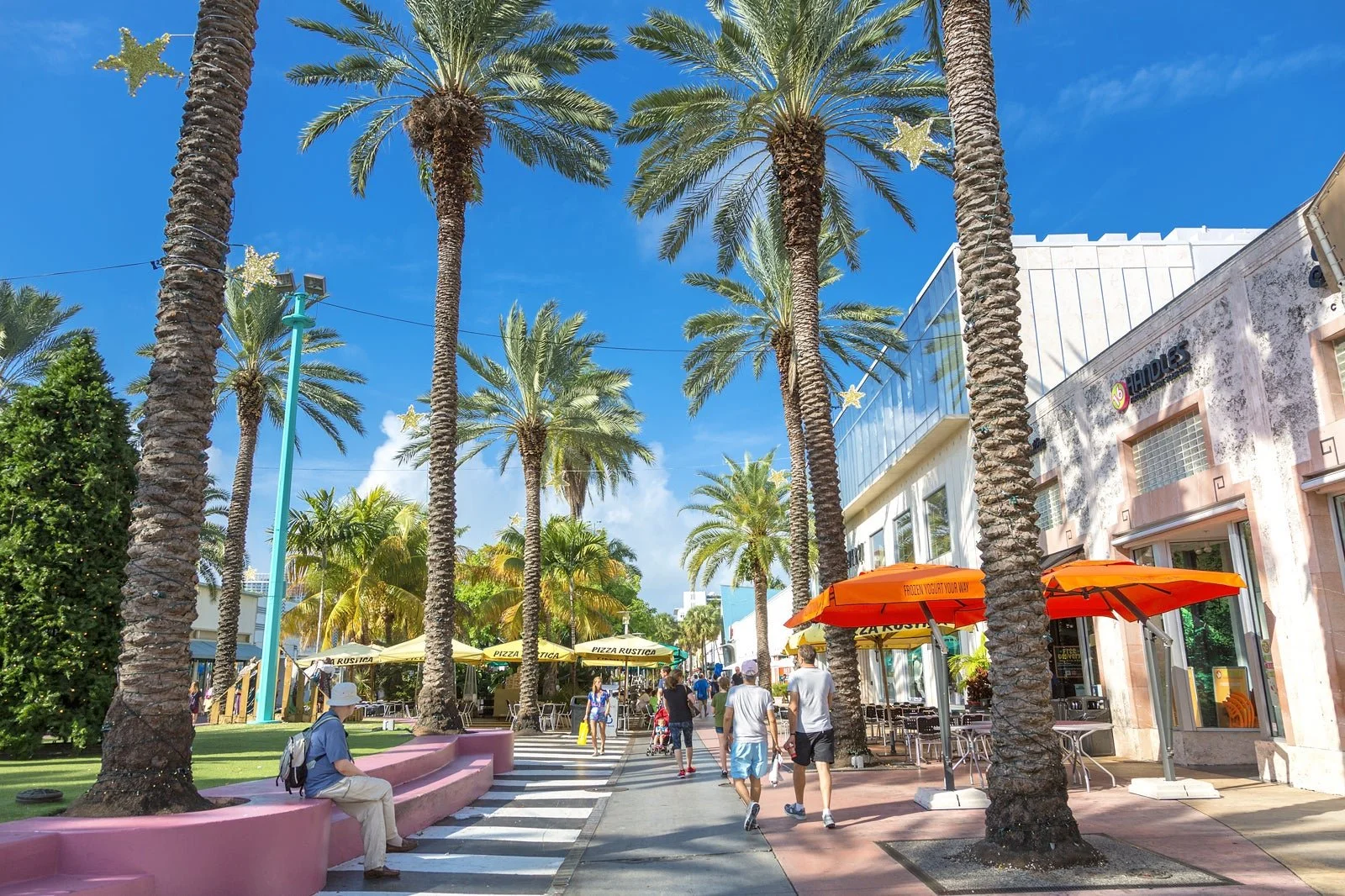
Lincoln Road Promenade. C/O Hotels.com
Miami Beach has already experienced some version of this. Lincoln Road was once filled with independent boutiques, restaurants, galleries, and strange little businesses. As its real estate became increasingly valuable, its tenant mix shifted toward national brands and larger operators that were capable of supporting its economics.
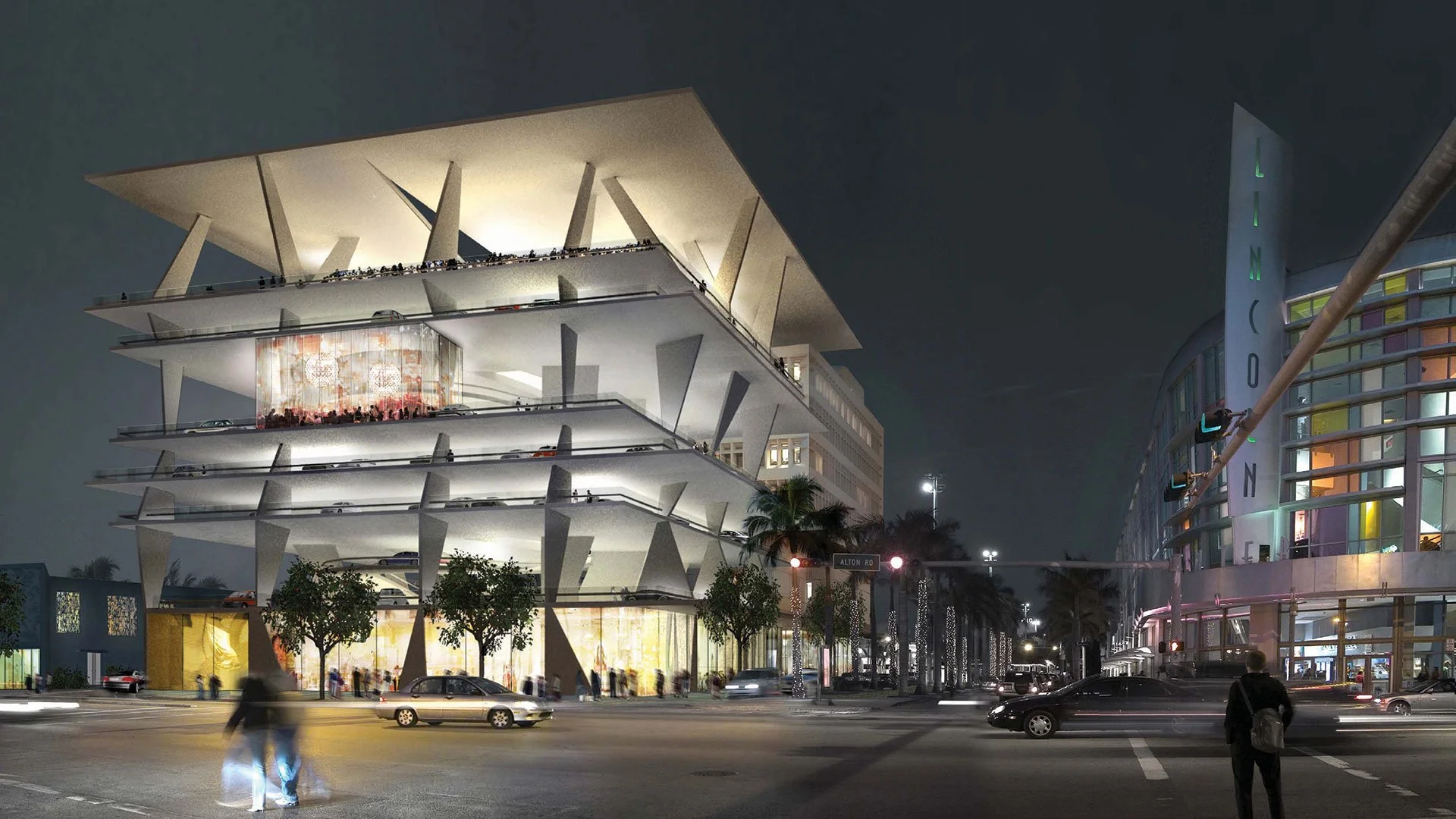
1111 Lincoln Road, Architected by Herzog & de Meuron. C/O BEA Architects
While the real estate became more valuable, did the area become more interesting? Barring the westernmost part of Lincoln Road, I’d say no.
So what happens when real estate values become high enough to eliminate some of the culture that helped create them?
To its credit, Miami Beach has began to recognize this as a problem, and has introduced programs intended to reduce some of the burden on local businesses in response: Its Commercial Lease Subsidy Program can reimburse eligible businesses in a designated South Beach district for a portion of certain occupancy costs. The city has also awarded grants to independent businesses and, earlier this year, changed regulations intended to make it easier for qualifying restaurants and live entertainment venues to occupy vacant commercial spaces.
Those efforts help, but grants and subsidies probably can’t permanently bridge the gap between what commercial property is worth and what an independent business can afford to pay. Which raises a more interesting question: could preserving local businesses become part of the development conversation itself? Cities already negotiate public benefits in exchange for valuable development rights. A developer might contribute toward a park, extend a baywalk, improve a streetscape, build infrastructure, or provide affordable housing. But could affordable commercial space occasionally be part of that conversation?
Imagine a major redevelopment receiving additional development rights in exchange for reserving a handful of ground-floor storefronts for qualifying independent businesses at below-market rents. Not every building, not every neighborhood, and certainly not every business, but strategically, in places where the city wants to preserve a genuinely mixed commercial ecosystem
Of course, there would be obvious complications: Who qualifies? Who determines the rent? How long does the restriction last? How do you prevent politically favored businesses from receiving valuable space? Those aren’t insignificant questions, but they’re worth asking.
Miami undoubtedly needs expensive restaurants, luxury hotels, beautiful new buildings, and investment. We’ve grown so much since COVID that it would be unwise to suggest otherwise. However, we need a good mix to keep things interesting.
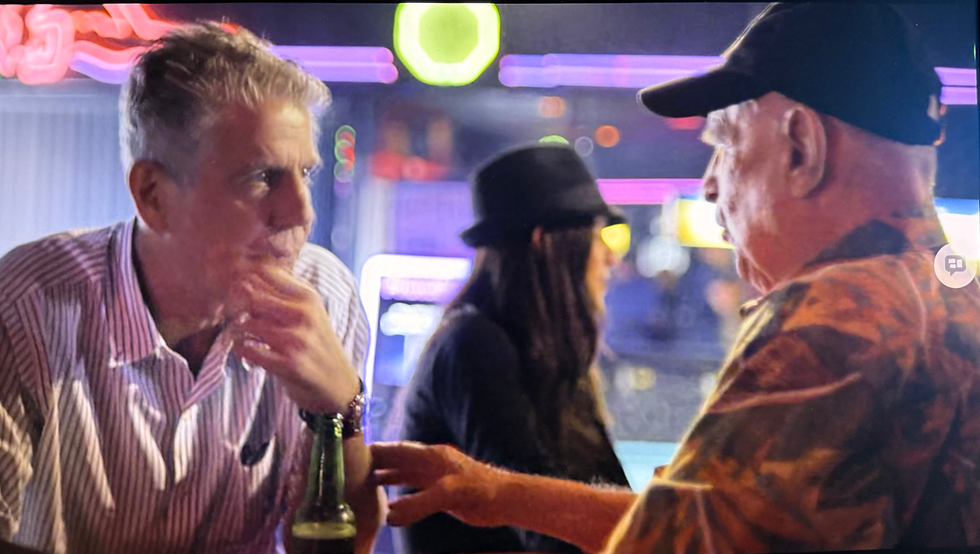
Anthony Bourdain at the Deuce. C/O Mac’s Club Deuce
Bourdain seemed to understand that instinctively. His shows weren’t really about finding the most technically perfect meal in a city. If that were the objective, No Reservations would have looked very different. He was looking for places that explained something about the people who lived there: the slightly dirty bar, the family restaurant, the place where somebody had been cooking the same dish for twenty-five years. Places that couldn’t simply be picked up and replicated elsewhere.
Which brings me back to Mac’s Club Deuce. Bourdain walked through its doors twenty years ago looking for exactly that kind of place. Since then, the neighborhood around it has changed enormously. Property values exploded. Hotels were redeveloped. Restaurants opened and closed. New residents arrived. Old ones left. And somehow, the Deuce survived long enough to turn 100.
Maybe the remarkable thing isn’t that so many old Miami establishments have disappeared. Maybe it’s that Mac’s Club Deuce is still here. The question for Miami isn’t whether the city should change. It will. The question is whether the next strange little bar, restaurant, bookstore, or café that gives a neighborhood some of its character will have enough time to become an institution.
RIP to the true GOAT, Anthony Bourdain.